Northern Lakshadweep
Kiltan: storm beaches at the northern edge
Kiltan's northern and southern storm beaches are part of the official island record. A current way to visit is not. Keep those two facts separate.
Reviewed 15 Sept 20264 sources5 min read
No reviewed primary source publishes current Kiltan tourist accommodation, an island-specific passenger timetable or a day-trip service. Confirm the entire route before payment.
On this page
- Atoll
- Northern Lakshadweep
- Area
- 2.2 km²
- Population
- 3,946 2011
- Access
- Sea, or Agatti and boat
- Permit
- Required
- Reviewed
- 15 Sept 2026
- Official location: 51 km north-east of Amini
- The Administration records high storm beaches at both ends
- The official island page notes a folk-dance tradition
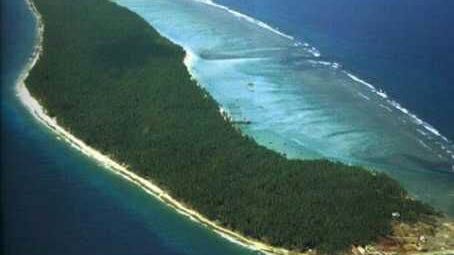
Kiltan’s official island record gives travellers one precise visual clue: high storm beaches at the northern and southern ends. It also records a small inhabited island with its own folk-dance tradition. What it does not give is current tourist inventory.
What “storm beach” means for this guide
The Administration uses the term for the beach formations at both ends of Kiltan. This page does not turn that description into a swimming, safety or reef-quality claim. The source publishes no lifeguard position, bathing zone, water-activity schedule or visitor facility for those beaches.
The island page records Kiltan at 2.20 sq km, with a 2011 population of 3,946. It places the island 51 km north-east of Amini and 394 km from Kochi.
Do not mistake geography for access
Kiltan’s island page includes a broad access label. The Administration’s How to Reach page lists passenger ships serving Lakshadweep, but it does not publish a current Kiltan timetable or promise a tourist berth.
A usable plan needs all of these for the same dates:
- island-specific permit support;
- a dated outbound sector;
- a named stay if an overnight is planned;
- a dated return or onward sector.
The ship-ticket guide explains how to separate a general vessel description from a bookable sailing.
What the source says about the island
Along with its location and dimensions, the official page notes fertile vegetation and a rich tradition of folk dances. These statements describe Kiltan. They do not establish a performance, village tour, fishing visit or other activity available to a traveller.
Avoid turning local life into an itinerary without a named host and current permission. The page previously did this with invented dawn scenes, fishing prices and boat-building visits. Those claims have been removed.
Compare the northern islands carefully
Chetlat is the northernmost inhabited island in the Administration’s record. Bitra is the smallest inhabited island in the territory. Amini has the clearest official craft description.
That makes the profiles useful for understanding the northern group, not for assuming a circuit exists. Use the islands hub for orientation, then require a date-matched route for every island you want to enter.
What remains unconfirmed
The sources checked on 15 September 2026 do not publish a Kiltan tourist timetable, room inventory, day-trip service, activity schedule or transfer fare. This guide does not infer any of them.
A place can be well documented and still not be bookable for your dates.
Questions
What kind of beach does Kiltan have?
The Administration records high storm beaches at the northern and southern ends of the island. That description does not establish swimming conditions, lifeguards or tourist facilities.
Where is Kiltan Island?
The official page places Kiltan 51 km north-east of Amini and 394 km from Kochi.
Can tourists currently visit Kiltan?
The reviewed sources do not publish current Kiltan tourist inventory. Confirm island-specific permit support, transport, accommodation if needed, and a return sector before booking.
Is there a current ship schedule for Kiltan?
The general How to Reach page lists passenger ships but is not an island timetable. Use a dated ticketing result for both outbound and return sectors.
Does Kiltan have a resort?
No reviewed primary source establishes a currently bookable Kiltan resort or room inventory. Do not rely on an undated listing.
Sources
- Lakshadweep Administration: Kiltanlakshadweep.gov.in · read 15 Sept 2026
- Lakshadweep Administration: How to Reachlakshadweep.gov.in · read 15 Sept 2026
- Lakshadweep Administration: Entry Permitlakshadweep.gov.in · read 15 Sept 2026
- Kiltan photograph: Wikimedia Commonscommons.wikimedia.org · read 15 Sept 2026
Permit rules, fees, schedules and island access change without notice. Where a figure on this page matters to your booking, open the source above and check it against the current official position before you pay.