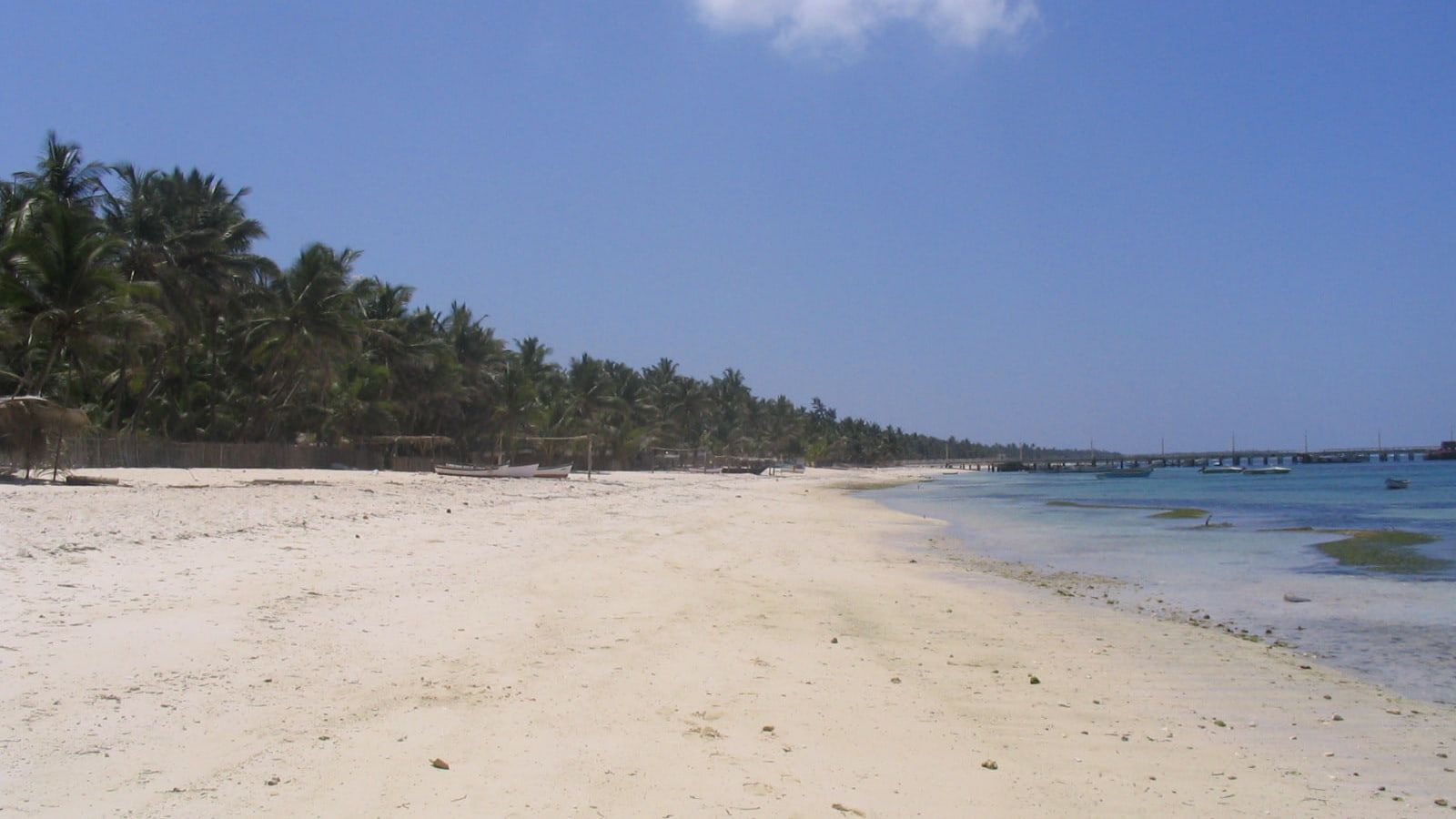
Kavaratti
Kavaratti: the capital, and the day-visit catch
The question is not whether a package names Kavaratti. It is whether you sleep there or only stop for the afternoon.
Reviewed 22 Aug 20264 sources7 min read
A Kavaratti day visit on a ship itinerary is not an overnight island stay. Verify the exact accommodation format, route and permit.
On this page
- Atoll
- Kavaratti
- Area
- 4.22 km²
- Population
- 11,221 2011
- Access
- Sea, or Agatti and boat
- Permit
- Required
- Reviewed
- 22 Aug 2026
- Capital and headquarters of the Union Territory
Kavaratti is the capital and headquarters of the Union Territory. For travellers, the key planning question is not whether the island appears in a package name. It is whether the itinerary includes an overnight stay on Kavaratti or only a daytime visit.
Sources reviewed on 22 August 2026.
Official island record
The Administration publishes an area of 4.22 sq km and a 2011 population of 11,221. It describes the lagoon and visitor activities including swimming, kayaking, wind surfing, canoeing, scuba diving, snorkelling and glass-bottom boating.
The page also describes Ujra Mosque and an aquarium or museum. Visitors should follow current local access rules and instructions at religious and public sites rather than relying on an old travel guide.
Tourist huts and packages
The official island page says a few tourist huts with attached bathrooms and balconies are available close to the jetty. It refers to Kavaratti tourism packages, while the general accommodation page explains that some products keep travellers onboard a ship overnight and take them ashore during the day.
Use the Kavaratti accommodation guide to separate these formats before comparing prices.
Access planning
The Administration identifies Agatti as the island with the airstrip. A flight-linked Kavaratti stay therefore needs a confirmed onward and return island sector. A ship-based product needs a current sailing and a clear statement of where each night is spent.
For calls and data, use the Lakshadweep mobile-network guide and verify the exact property instead of assuming that an island-level rollout announcement proves current service.
What was removed from the old guide
The previous page claimed personal visits, opinions about residents and tourist suitability, exact ship times, office hours, restaurant details, ATM uptime, card acceptance, internet performance and private access to researchers. These were unsupported by repository evidence and have been removed.
This page now limits itself to current Administration sources and booking checks.
Choose the Kavaratti format
Read island stay versus ship package before treating a Kavaratti day visit as an overnight island stay. Use the best-island guide for the wider route decision.
Explore Kavaratti beyond water sports
Use the Kavaratti sightseeing guide for Ujra Mosque, the aquarium and museum, and the distinction between landmark descriptions and confirmed visitor access. Compare the wider shore settings in the beaches guide.
Questions
Is Kavaratti the capital of Lakshadweep?
Yes. The Administration identifies Kavaratti as the capital and headquarters of the Union Territory.
What accommodation is described officially?
The Kavaratti page says a few tourist huts with attached bathrooms and balconies are available close to the jetty. It does not provide live inventory or tariffs.
Is a Kavaratti ship visit the same as staying there?
No. Some tourism products provide nights onboard the ship and daytime island visits. Read the itinerary and accommodation line carefully.
Sources
- Lakshadweep Administration: Kavarattilakshadweep.gov.in · read 22 Aug 2026
- Lakshadweep Administration: Accommodationlakshadweep.gov.in · read 22 Aug 2026
- Lakshadweep Administration: Tourist Packageslakshadweep.gov.in · read 22 Aug 2026
- Lakshadweep Administration: How to Reachlakshadweep.gov.in · read 22 Aug 2026
Permit rules, fees, schedules and island access change without notice. Where a figure on this page matters to your booking, open the source above and check it against the current official position before you pay.